Professional Wildlife Removal Services That Can Trust
Professional animal removal services provide homeowners a dependable way to handle wildlife problems. These solutions utilize specialized knowledge and compassionate techniques to address infestations efficiently. A thorough inspection identifies vulnerabilities in homes, ensuring that not only are current issues resolved, but future risks are reduced as well. Comprehending the procedure and its benefits is essential for homeowners facing these challenges. What factors should be evaluated when choosing a reliable service?
Why Expert Animal Elimination Matters
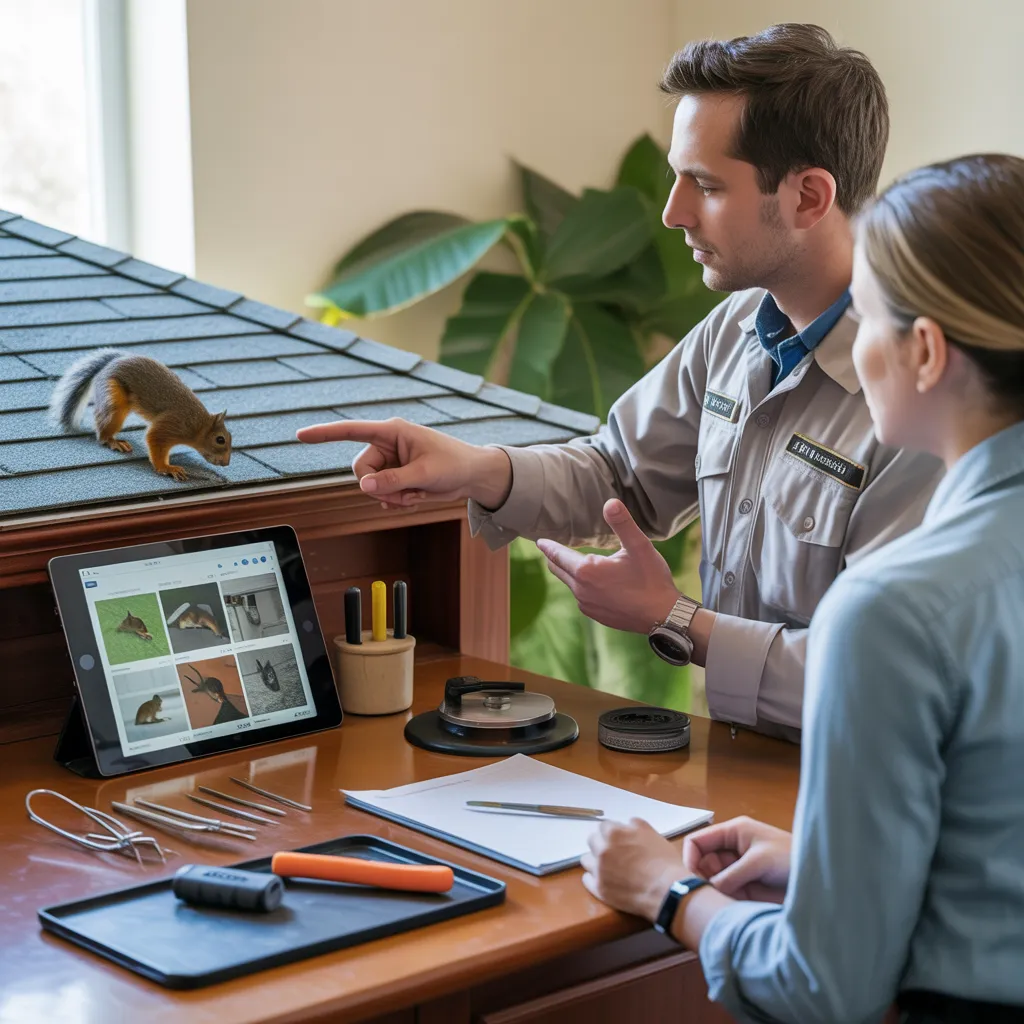
While many homeowners may attempt to manage animal infestations on their own, the importance of professional animal removal cannot be overstated. Professionals have expert expertise and equipment that guarantee the safe and humane removal of unwanted animals. Trying do-it-yourself approaches can lead to further complications, including injury to both the homeowner and the animal, as well as possible legal consequences.
Additionally, experts can identify access routes and root causes, preventing subsequent invasions. They also understand local wildlife laws, ensuring compliance during the extraction procedure. Efficient animal control not only protects the home but also protects the health of its residents by reducing the danger of disease transmission. By depending on professionals, property owners can focus on their everyday routines, knowing that the issue is being managed efficiently and conscientiously. In this way, professional animal removal serves as an essential investment in maintaining a safe and healthy residential space.
Signs You Require Animal Removal Services
Recognizing the signs that suggest a need for animal removal services is important for keeping a secure home space. Homeowners should remain vigilant for unusual noises in attics or walls, which may suggest the presence of pests. Moreover, unexplained damage to property, such as gnawed wires or chewed furniture, can be a clear indication of an animal infestation.
Finding droppings or footprints around the home is another sign that professional help may be necessary. Unpleasant odors, often resulting from animal waste or dead animals, can also signal a serious issue. Moreover, sightings of wildlife in or around the property, especially during the day, may indicate that animals are encroaching on living spaces. Prompt attention to these signs can prevent more severe problems and guarantee the safety and comfort of the household. Engaging professionals at the first sign of trouble can mitigate risks and restore peace of mind.
How to Pick the Best Animal Removal Company
How might property owners ensure they choose the appropriate animal removal company? First, they should research local options and review online reviews. Favorable feedback can reveal a company's dependability and performance. Additionally, confirming qualifications is paramount; certified and covered professionals are more likely to adhere to industry standards and safety protocols.
Homeowners should also ask about the techniques employed for animal removal. Humane approaches are important, ensuring that animals are handled humanely and safely. A trusted company will provide transparent details about their methods and follow-up services.
Moreover, collecting several proposals can assist homeowners assess pricing and service offerings. Pricing transparency is critical to prevent hidden expenses. Finally, consider the company's experience; seasoned companies often demonstrate a successful history in addressing various wildlife situations. By following these standards, homeowners can confidently determine a credible animal control business.
Professional Animal Removal Described: How It Operates
Finding the right wildlife removal service helps homeowners realize the subtleties of expert removal solutions. At the outset, certified technicians conduct a thorough review of the property to identify evidence of animal activity and potential access openings. This review is indispensable for tailoring an successful elimination Concrete Contractor approach.
Next, humane traps or exclusion techniques are implemented, ensuring that animals are caught safely. Professional services focus on safe and ethical methods, decreasing stress for the animals involved. Once removed, the technicians seal the original access areas to prevent future infestations.
Furthermore, cleaning and disinfection are vital components of the process, as they help eliminate odors and potential health risks. This thorough approach not only tackles the immediate issue but also teaches homeowners about maintaining a wildlife-free environment. Ultimately, professional animal removal merges expertise, ethical practices, and preventive measures, ensuring a successful resolution to wildlife challenges.
Details on What Follows After Professional Animal Exclusion?
Following expert pest extraction, homeowners should anticipate a scheduled follow-up inspection to ensure the area stays secure. Additionally, preventive approaches will be discussed to avoid future infestations. These measures are essential for maintaining a safe and animal-free environment.
Follow-Up Inspection Schedule
What can one expect during the post inspection schedule after professional animal removal? Typically, this entails a detailed assessment of the area to guarantee that no animals remain and that any entry points have been adequately sealed. Professionals will inspect potential nesting sites and evaluate the effectiveness of prior removal efforts. They may also check for signs of damage caused by the animals, such as gnaw marks or droppings.
The examiner will document observations and could propose additional measures if required. This appointment typically serves as a sense of security to house owners, assuring that the area is animal-free and safe. Regular follow-up inspections can be crucial in upholding a clean environment and identifying any developing concerns without delay.
Prevention Methods Applied
Following the successful removal of animals, deterrent tactics hold a critical place in defending the property from future invasions. Professionals usually implement a thorough approach, beginning with a meticulous inspection of the property to spot potential entry points and vulnerabilities. Measures like sealing cracks, installing screens, and reinforcing vents are commonly taken to keep animals from returning. In addition, landscaping modifications such as trimming dense vegetation and managing food sources help reduce attractants. Regular maintenance and overseeing are suggested to ensure these strategies are effective. Property owners might also receive guidance on best practices, including proper waste disposal and safeguarding pet food. By actively addressing these aspects, the possibility of re-infestation is greatly diminished, ensuring a safer and more secure environment.
How to Avoid Forthcoming Creature Problems
Preventing upcoming wildlife troubles takes anticipatory measures and a watchful eye for possible entry openings. Homeowners need to frequently inspect their properties for gaps in foundations, attics, and vents, sealing any openings to prevent animal intrusion. Proper maintenance of landscaping is vital; thick vegetation can provide housing for pests. Additionally, securely storing food and garbage in wildlife-resistant containers curbs attraction to wildlife.
Installing fencing can also function as a deterrent, especially around gardens or animal zones. It is vital to keep exterior zones neat by clearing debris and clutter that may harbor animals. Educating family members about animal recognition and the value of reporting sightings can promote a defensive outlook. Ultimately, ongoing monitoring and care of the property produce an hostile setting for wildlife, greatly reducing the chance of recurring invasions and providing comfort for homeowners.

Often Requested Questions
Are Animal Removal Services Covered by Homeowners Insurance?
Animal removal services might be covered by homeowners insurance, depending on the policy specifics. Homeowners should examine their coverage details or speak with their insurance provider to ascertain eligibility for reimbursement related to wildlife removal.
Which Types of Wildlife Do Professional Services Take Away?
Professional services typically eliminate a selection of wildlife, including raccoons, squirrels, bats, skunks, snakes, and birds. Each species necessitates expert techniques to ensure safe and ethical removal from residential or business properties.
What is the Typical Timeframe of the Animal Removal Process?
Animal extraction typically requires anywhere from one to several hours, contingent on the animal species in question and the degree of complexity of the circumstances. Location and how easily accessible the space is will also impact the overall duration.
Is Animal Removal Harmful to the Animals Being Removed?
Animal removal processes are designed to lessen injury, emphasizing safe relocation rather than injury. Established providers prioritize ethical approaches, guaranteeing that animals are handled carefully and sent back to proper settings whenever possible.
Can I Try DIY Animal Removal Before Engaging Professionals?
Engaging in self-directed wildlife extraction is perilous and could create unwanted injury for both the animals and the individual performing the task. Specialists recommend thoroughly assessing the situation before choosing whether to hire professional assistance.